
Why Seniors Love This Drive
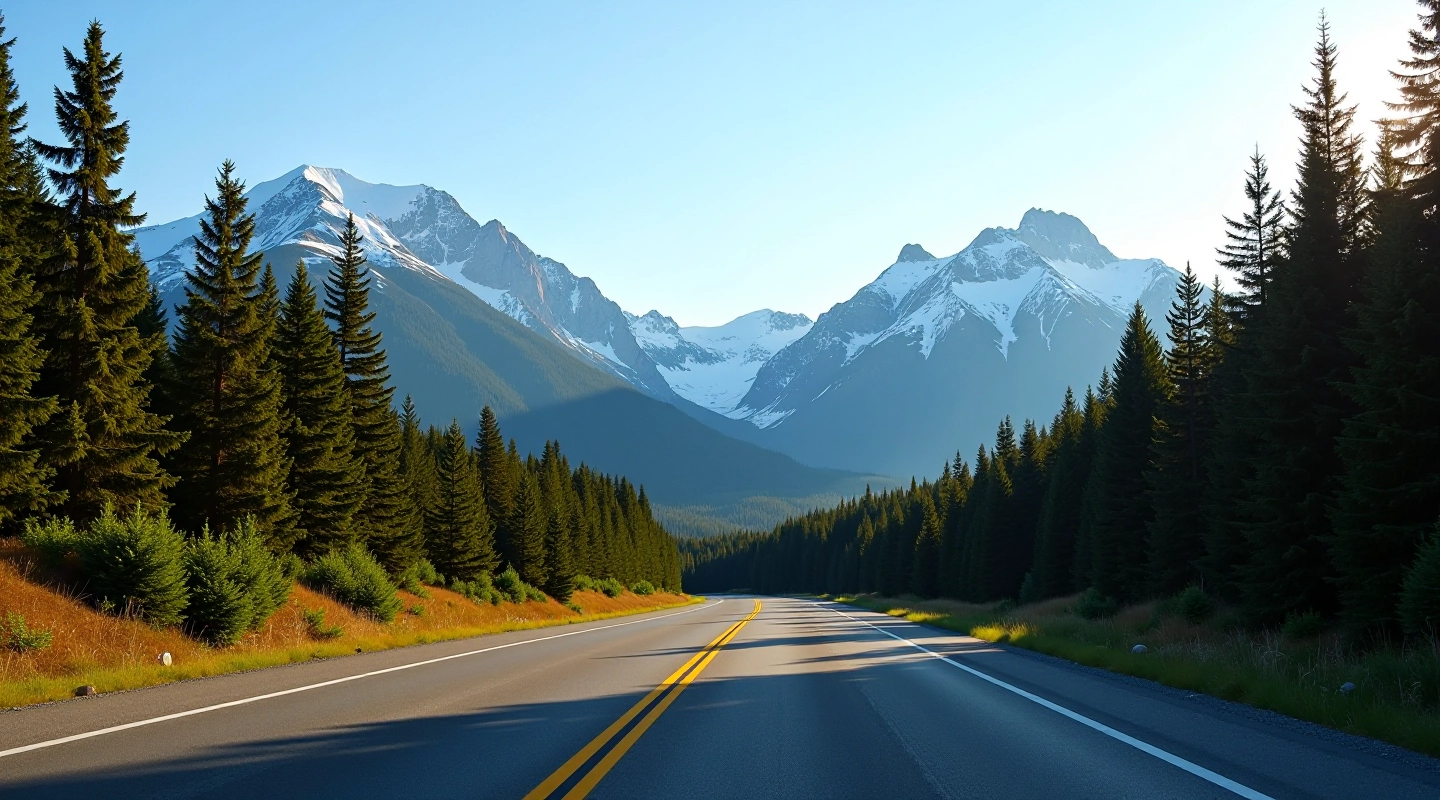
The Icefields Parkway isn't a race. It's a 230-kilometer stretch between Lake Louise and Jasper that rewards slow travelers with some of Canada's most stunning views. The road is well-maintained, scenic pull-outs are frequent, and you're never more than 30 minutes from a rest stop.
We've driven this route with people in their 70s and 80s who found it genuinely manageable. No extreme elevation gains, no winding mountain passes that require white-knuckle gripping. Just gorgeous scenery and plenty of places to stretch your legs without rushing.
Planning Your Route: Realistic Timeframes
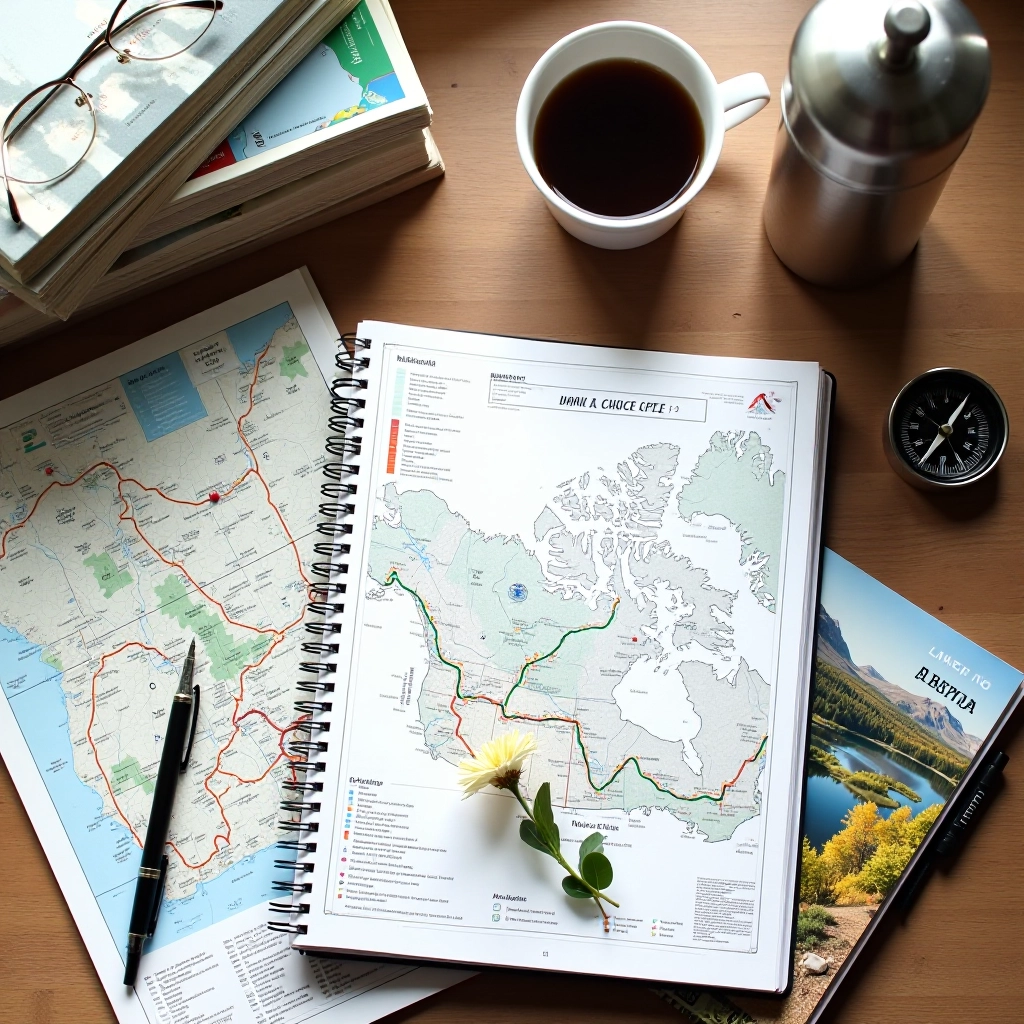
Most people drive the Icefields Parkway in 4-5 hours without stops. But you shouldn't. Take 7-8 hours instead, maybe even split it across two days if you're not used to driving mountain roads.
The drive climbs gradually from 1,600 meters at Lake Louise to about 2,000 meters at the highest point. It's not steep, but your body notices the altitude. Add extra time for photo stops, short walks, and the fact that mountain roads demand more attention than highways. You'll actually enjoy the experience this way.
Pro tip: Leave early in the morning. You'll have better light for photos, fewer tour buses crowding the pull-outs, and you won't feel pressured to drive when you're tired.
This guide is for informational purposes. Road conditions, weather, and accessibility can change. Always check current conditions with Parks Canada before traveling, especially in winter months. Road closures do happen. If you have mobility concerns, contact visitor services in advance to discuss accessible facilities at specific locations.
Best Pull-Outs and What to Expect
You'll see why this road gets its reputation within the first 30 minutes. Here's what matters:
Lake Louise Viewpoint (start)
Obvious spot, crowded in summer, but it's stunning. Easy parking, accessible restrooms. Take your time here even if you're not staying overnight.
Bow Lake and Num-Ti-Jah Lodge
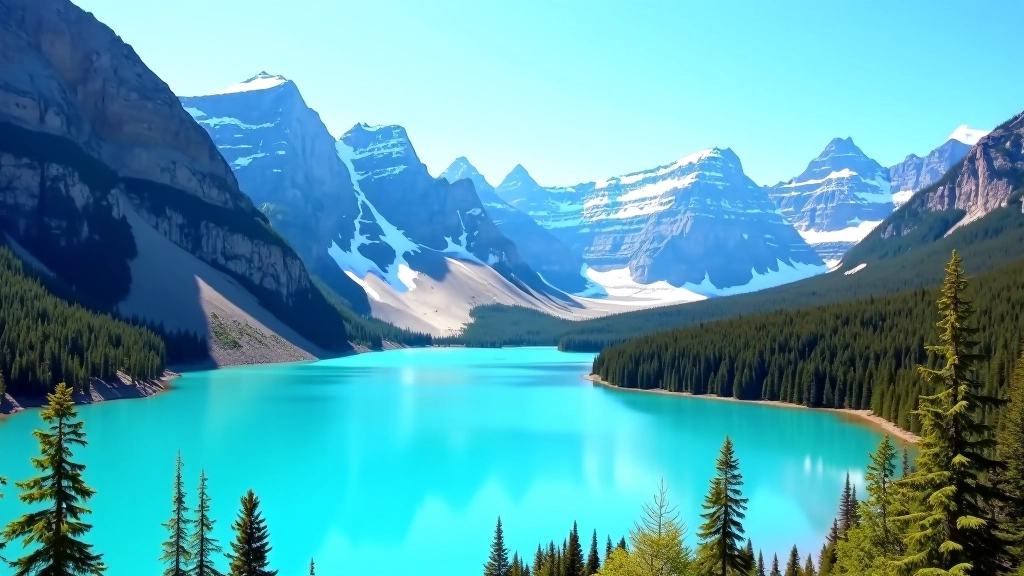
About 40 km north. You can stop at the lodge for coffee, use the restrooms, or just pull into the viewpoint. The turquoise water here is worth a photo. It's real — the glacial silt creates that color.
Peyto Lake Viewpoint
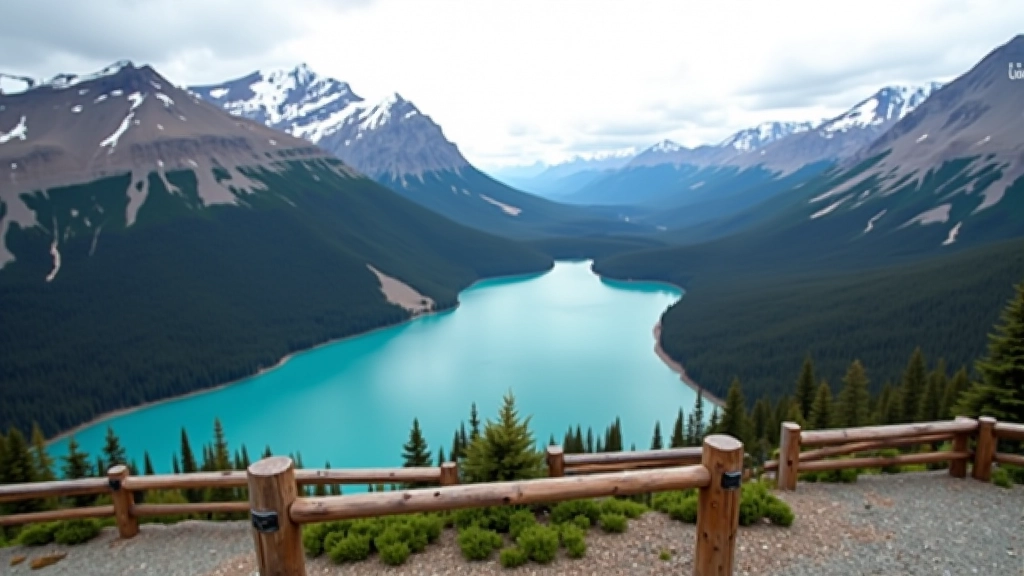
A short 10-minute walk uphill gets you to one of the best views on the entire drive. The lake's color shifts through turquoise, blue, and green depending on light. Not too strenuous, and the reward is worth it.
Sunwapta Lake and Falls
Two separate stops, about 80 km into the drive. The lake is calm and beautiful. The falls are about 18 km further north — a 5-minute walk from the parking area gets you close enough for good views.
Athabasca Glacier Viewpoint
Around the 130 km mark. You can see the glacier from the road and parking area. If you're interested, there's a visitor center with exhibits and a longer glacier walk option, but it's not necessary.
Rest Stops That Actually Work
You won't go hungry or desperate for a restroom on this drive. But knowing what's where helps you plan your breaks properly.
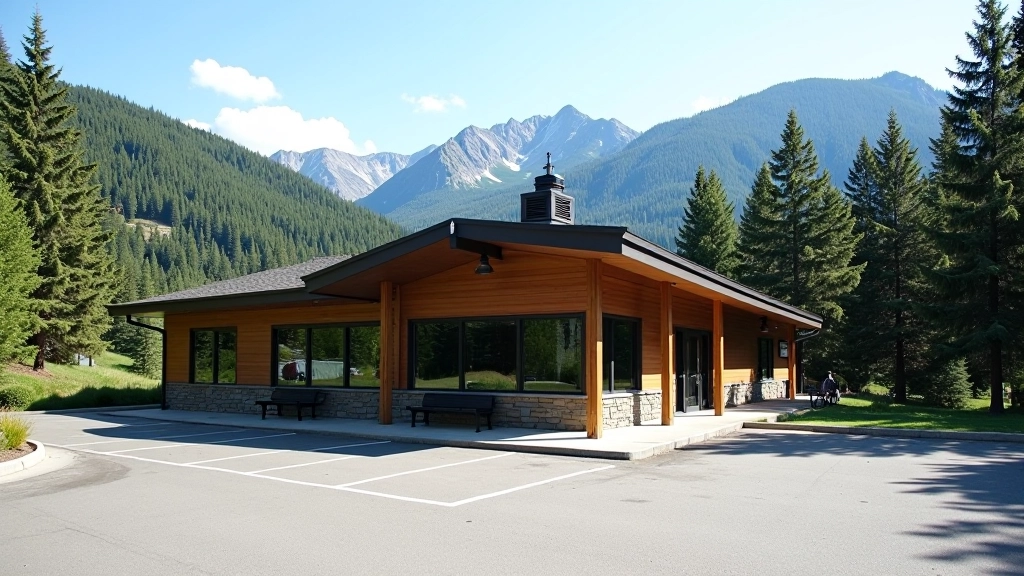
Num-Ti-Jah Lodge (about 40 km from start) has a restaurant and restrooms. It gets busy, but there's always space. The Chateau Lake Louise at the very beginning has a full facility complex. For lunch, Jasper town at the end of the drive is your real option — don't count on finding a proper restaurant in between.
There are rest areas with pit toilets scattered along the route, which are fine for a quick stop. Parking is ample at most pull-outs, and many have accessible spaces. The road itself is modern — no potholes, no surprise obstacles. Just watch for wildlife, especially elk and bighorn sheep near certain sections.
Weather and Driving Conditions
Summer (July-September) is ideal for this drive. Roads are clear, weather is predictable, and facilities are fully open. Winter driving here isn't impossible, but it's not for casual travelers — conditions change fast, and you need good winter tires at minimum.
Spring and fall work, but weather can be unpredictable. Snow at higher elevations isn't rare even in May or September. Check Parks Canada's website for current conditions before you go. It takes 30 seconds and saves you from surprises.
What to Bring
- Sunscreen — at altitude, UV rays are stronger
- Comfortable walking shoes with good grip
- Water and snacks
- A light jacket even in summer — it's cooler at elevation
- Your phone charged (or a portable charger)
- Medications and any medical supplies you need
Making the Most of Your Day
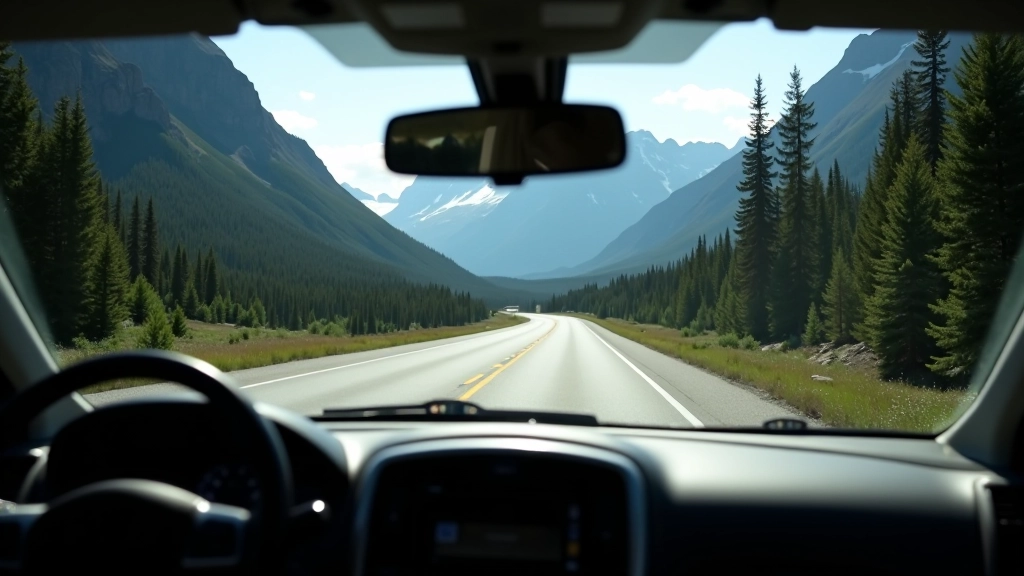
This drive rewards patience. You're not trying to "complete" it. You're there to see things and feel the mountains. Stop when something catches your eye. Walk when your legs want to move. Rest when you're tired.
Most people find the drive itself is the experience — not the destination. That's the point. Don't rush from Lake Louise to Jasper. Spend your time on the road, at the viewpoints, and soaking in the scale of these mountains. You'll understand why people come back to this drive again and again.