
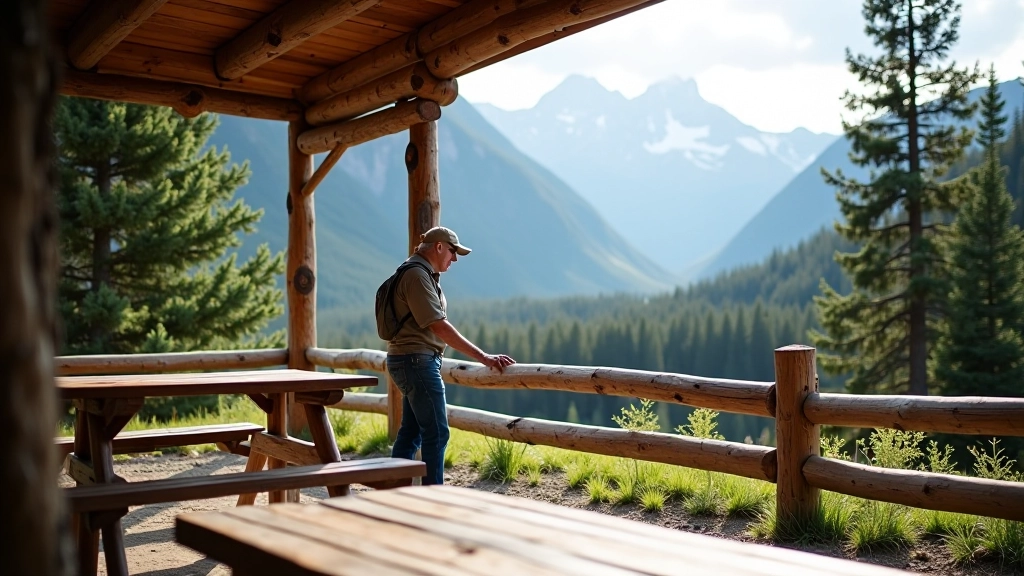
Rest Stops That Actually Work: Where to Stretch and Refuel Safely
Finding good rest areas isn't just about convenience — it's about safety. Here's what makes a rest stop worthwhile and which ones we'd recommend for longer drives.
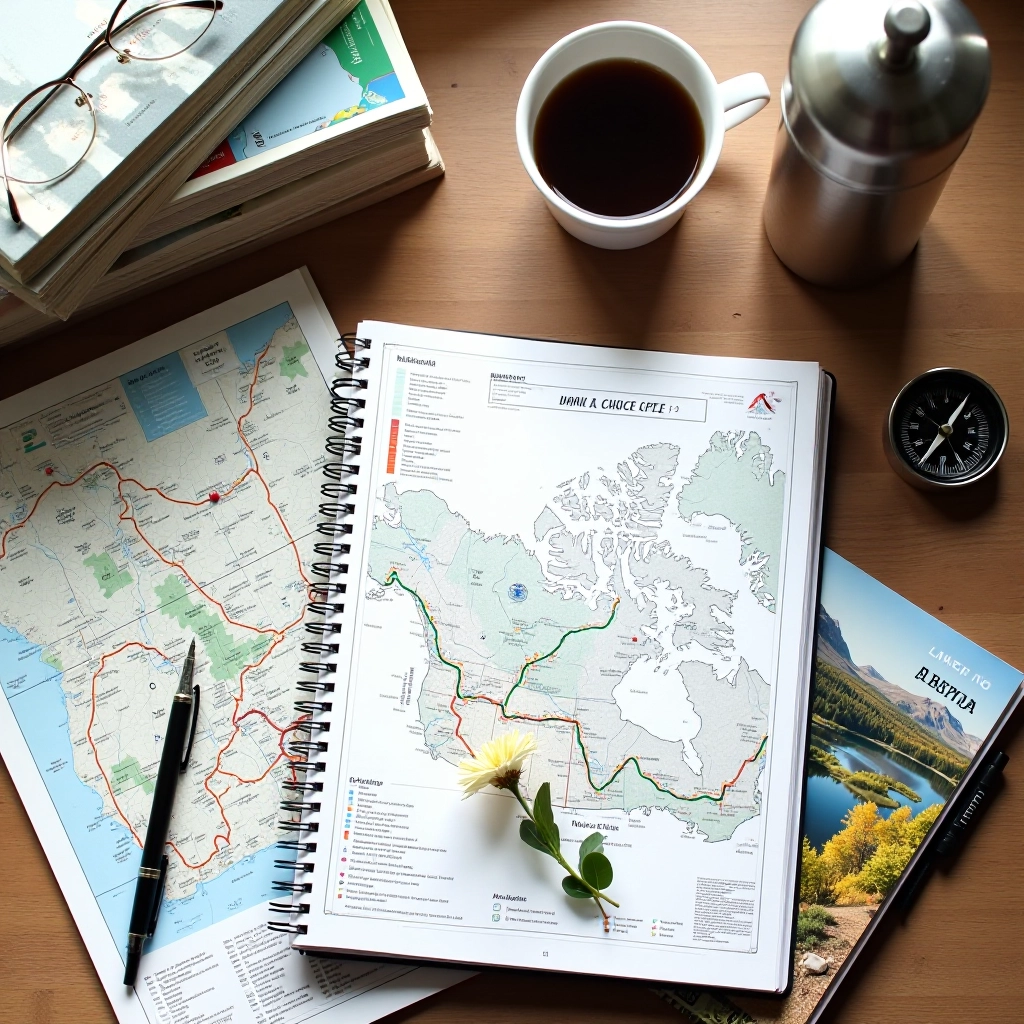
You've been driving for three hours straight. Your legs are stiff, your back's aching, and you're starting to feel that mental fog creep in. Sound familiar? That's exactly when a good rest stop becomes essential.
Not all rest stops are created equal. Some are just empty parking lots with a port-a-potty. Others have benches, shade, proper facilities, and actually give you space to move around. We're talking about the difference between stopping for ten minutes and actually feeling refreshed before you hit the road again.
Here's what we've learned: the best rest stops share common features. They're not hard to identify once you know what to look for. And they genuinely make longer drives safer because you're not pushing through fatigue just to get to the next gas station.
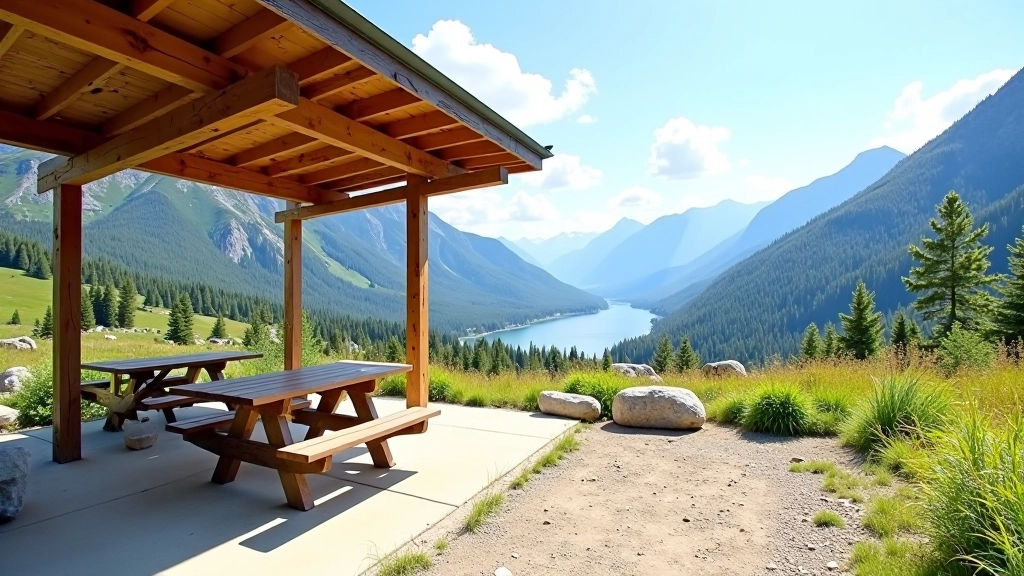
What to Look For
Signs of a Quality Rest Stop
Clean Facilities
Look for actual bathrooms, not just portable toilets. Running water and soap matter. If the facilities are clean, the stop is likely well-maintained overall.
Shade Available
Shade structures, trees, or covered areas make a massive difference. You're not sitting in direct sun while stretching. This also keeps your car cooler if you need to rest inside.
Walking Space
You need room to actually walk. Not a tiny lot where you're hemmed in by other cars. A proper rest area has trails or at least a safe perimeter to stroll.
Picnic Tables
Tables let you sit properly, eat a snack, or just rest away from the car. They're simple but make a real difference in how you feel after a break.
Parking Layout
The best stops have parking that's separate from foot traffic. You're not parking next to the bathrooms or walkways. It feels less hectic.
Clear Signage
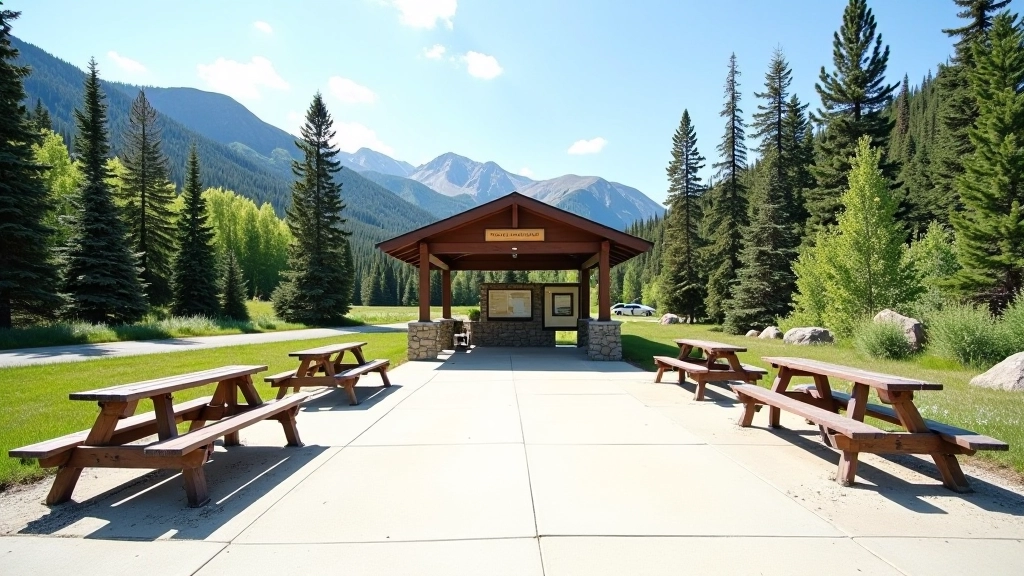
You should know where facilities are, if there's a time limit, and what's available. No surprises. Good stops have information boards that aren't hard to read.
Practical Timing
How Long Should You Actually Stop?
Here's the reality: 10 minutes isn't enough. You need 20 to 30 minutes minimum if you want to feel genuinely refreshed. That sounds long, but it breaks down simply.
Five minutes to use the bathroom. Five minutes to stretch — real stretching, not just walking to the car. Another five to ten minutes sitting down, hydrating, maybe eating something. That gets you to 15-20 minutes already. Add another 10 and you've actually reset.
The goal isn't just to break up the drive. It's to lower your heart rate, get your legs moving properly, and get some blood flow back to your brain. That takes time. You'll feel the difference.
Pro tip: stop BEFORE you feel exhausted. Don't wait until you're struggling to focus. A preventative break every 2 to 2.5 hours keeps you sharper than pushing to three hours and then crashing.

Information Note: This guide is for educational purposes and reflects common practices for rest stop usage. Driving safety depends on many factors including personal health, vehicle condition, weather, and road conditions. Always follow local regulations, respect rest stop rules, and consult healthcare providers about your specific needs for longer drives.
Movement Matters
Simple Stretches That Actually Help
You don't need to do yoga. Just movement that targets what gets tight from driving. Your hip flexors, lower back, and neck take the most punishment from sitting.
Quad stretch: Find something stable, pull your foot up behind you, hold it. Both legs. Sixty seconds total. Your hips will thank you.
Spinal twist: Stand with feet shoulder-width apart, gently twist your torso side to side. Not aggressive. Just gentle rotation. Two minutes feels great.
Neck rolls: Slow, controlled circles. Not fast jerking. Forward, to the side, back, to the other side. Do this twice.
Walk around. Seriously. Just walk the perimeter of the rest stop, or up a small path if there's one. Ten minutes of easy walking resets everything.
Don't overdo it. You're not training. You're just waking your body up and getting circulation moving again. That's it.
Smart Choices
Eating and Drinking at Rest Stops
You're probably hungry. Rest stops make this tricky because the options are usually gas station food or whatever you brought.
Bring snacks. This is the real answer. Pack nuts, fruit, protein bars, water. You'll have better options than what you'd buy, and you'll save money. More importantly, you'll avoid the sugar crash that comes from gas station candy and coffee.
Water is essential. Not soda, not energy drinks. Water. You're dehydrated from air conditioning and sitting. One or two bottles of water during a rest stop makes a measurable difference in how you feel.
If you're eating at a rest stop restaurant or cafe, focus on protein and vegetables. A sandwich is fine. Fried food sits heavy and makes you drowsy. Avoid that right before getting back on the road.
Coffee is useful if you're genuinely tired. But don't drink it with ten minutes left in your break. Give it time to kick in. And limit it to one cup — two if you're really struggling, but that's the max.

Real Considerations
Safety at Rest Stops
Parking Position Matters
Park where you can see your vehicle from inside the building. Not tucked away. Visible. This is basic awareness, not paranoia. You want to keep an eye on your car and belongings.
Lock Your Vehicle
This shouldn't need saying, but yes. Lock the car. Close windows. Don't leave valuables visible. Five-minute stop or thirty-minute stop — doesn't matter.
Stay Aware of Your Surroundings
Use common sense. Walk with purpose. Avoid isolated areas. If something feels off, trust that instinct. Most rest stops are fine, but awareness costs nothing.
Tell Someone Your Plans
If you're driving alone, let someone know your route and approximate stops. Text when you reach each major stop. It's not about rest stop safety specifically — it's good practice for any solo driving.
The Bottom Line
Good rest stops aren't luxuries. They're part of safe driving. You wouldn't skip maintenance on your car. Don't skip maintenance on yourself.
Look for stops with clean facilities, shade, space to walk, and tables to sit at. Stop every 2 to 2.5 hours for at least 20-30 minutes. Use that time to stretch, hydrate, eat something decent, and reset.
You'll arrive less tired, less stiff, and sharper. That's worth the time investment. And honestly, you'll probably enjoy the drive more when you're not white-knuckling it to the destination.
Ready to plan your mountain drive? Check out our other guides for route planning and what to pack.
Read the Planning GuideRelated Guides
The Icefields Parkway: A Senior-Friendly Route Through Alberta's Best Views
Why this 230-kilometer drive is perfect for older travelers. We cover the best pullouts, gentler grades, and how to break it into comfortable segments.
Planning Your Mountain Drive: Timing, Distance, and What to Expect
Don't just show up. We'll walk you through realistic driving times, how weather affects conditions, and how to break longer routes into manageable sections.
What to Pack and Prepare: A Practical Checklist for Mountain Roads
It's not about overcomplicating things. We'll tell you what actually matters when you're driving mountain passes in Alberta.