
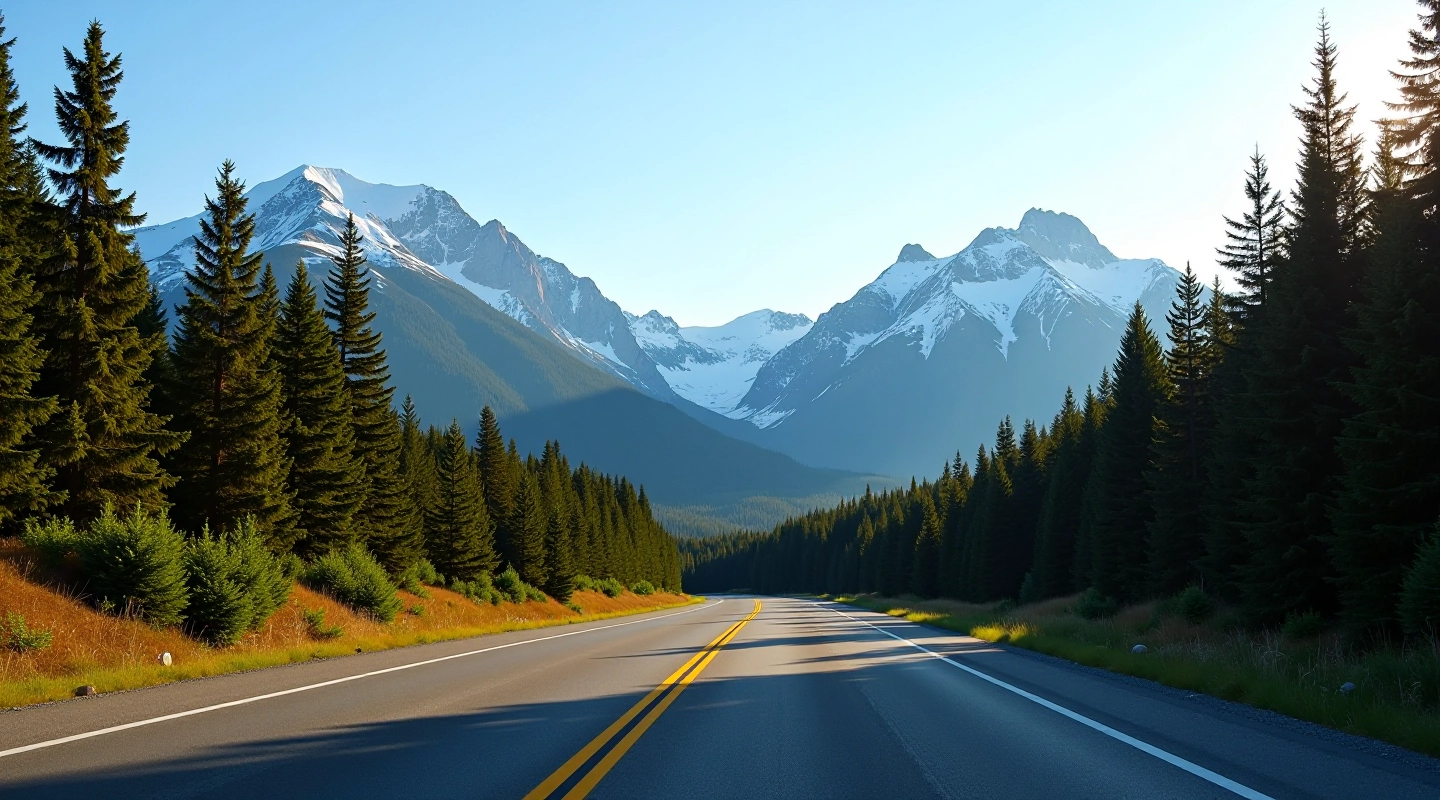
The Icefields Parkway: A Senior-Friendly Route Through Alberta's Best Views
Why this 230-kilometer drive is perfect for older travellers. We cover the best photo stops, rest areas, and how to break the drive into comfortable chunks.
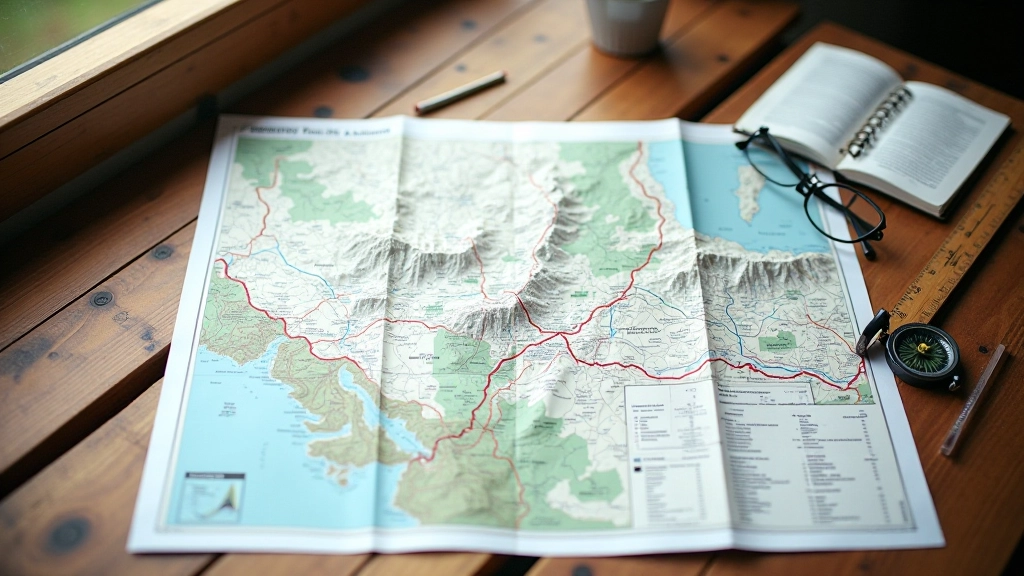
Don't just show up. We'll walk you through realistic driving times, how weather affects your trip, and why going slower means enjoying more of what you came for.
Author
Written by the Rocky Mountain Editorial Team, focused on practical, honest guidance for senior travellers exploring Alberta's mountain passes.
Mountain drives aren't like highway stretches. You can't just glance at a map, calculate distance by 60, and call it good. The roads are narrower. The views make you want to stop. Weather changes fast. And if you're driving with older passengers or want to actually enjoy the scenery instead of white-knuckling the wheel, you need a real plan.
The difference between a rushed, stressful drive and one you'll actually remember comes down to honest expectations. We're talking about how long it really takes, what to pack for sudden temperature drops, and where you can safely pull over without holding up traffic.
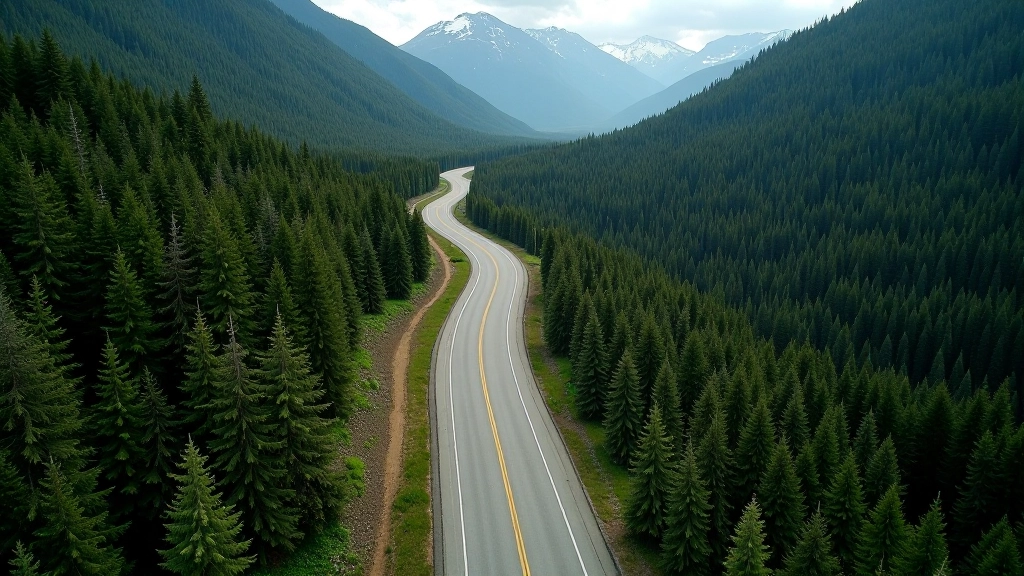
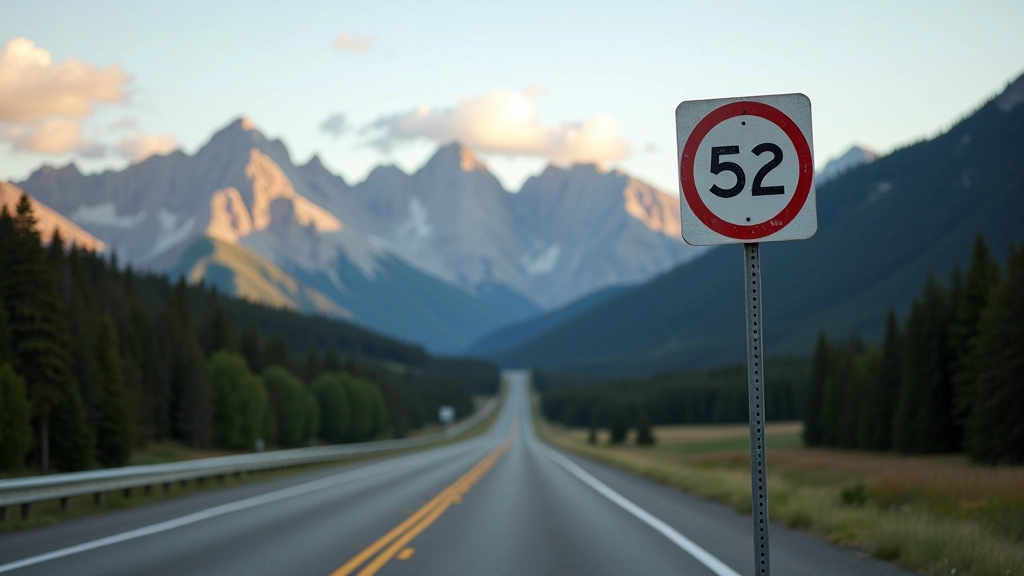
Here's what you won't find in your GPS: mountain driving is slower than flat terrain. A 200-kilometer stretch that'd take 2 hours on a prairie highway? You're looking at 3 to 3.5 hours in the mountains. That's not a mistake in your calculation—it's the reality of elevation changes, switchbacks, and roads that don't go straight.
Factor in rest stops, photo opportunities, and the fact that you shouldn't drive more than 4 hours without a proper break. Most people feel better stopping every 90 minutes to stretch their legs. You're not wasting time doing this. You're actually driving safer and enjoying the trip.
Rule of thumb: Add 30-50% extra time to what your phone suggests. For a 3-hour drive, plan 4 to 4.5 hours. You'll arrive less tired and won't regret the pace.
This article provides general information about planning mountain drives based on typical road conditions and traveller experiences. Actual driving times, road conditions, and weather can vary significantly. Always check current road reports, weather forecasts, and travel advisories before your trip. Drive safely, follow posted speed limits, and adjust your plans based on real-time conditions. This isn't a substitute for proper trip planning with official resources.
Let's look at some real distances you'll encounter. The Icefields Parkway runs about 230 kilometers and takes most people 4 to 5 hours of actual driving. That's if you're moving steadily without major stops. But here's the thing—you're probably going to want to stop at Peyto Lake, the Athabasca Glacier, and at least one viewpoint. Budget 6 to 7 hours minimum for the full experience.
A route through Kananaskis Country covering 150 kilometers might seem quick on paper, but those roads wind through valleys and climb passes. Plan for 3 to 4 hours of actual driving, then add another hour or two for stops. The best drives aren't sprints—they're journeys where you actually stop and look around.
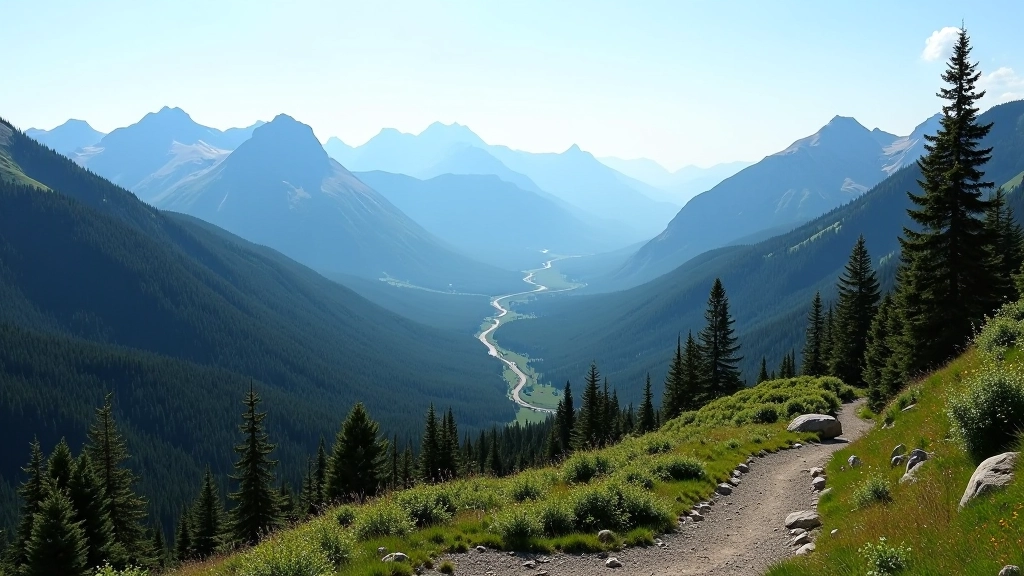
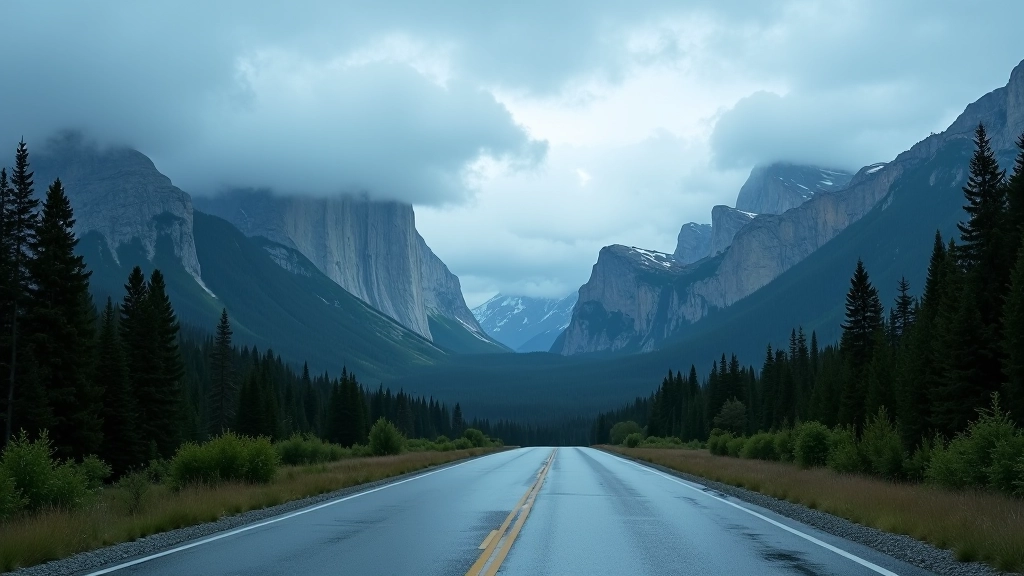
This is where people get caught off guard. You can leave a valley town with blue skies and hit rain, snow, or fog at higher elevation 30 minutes later. Mountain passes can be 10 to 15 degrees colder than the base of the mountain. Wind picks up. Visibility drops. And it happens fast.
Check forecasts not just for your starting point but for the passes and high elevations you'll cross. In summer, afternoon thunderstorms are common. In shoulder seasons (spring and fall), snow at elevation is entirely possible even when it's clear below. Don't ignore weather warnings. If conditions look sketchy, slow down more than usual or postpone your drive.
Keep emergency supplies in your vehicle: water, snacks, a blanket, a phone charger, and a basic first aid kit. You probably won't need them, but being prepared means you can handle surprises without panic.
The best mountain drives happen when you're not fighting against your own timeline. You've given yourself enough time. You're not stressed about getting somewhere by a certain hour. You can pull over when you see a good view. You can sit for five minutes and just breathe.
You'll naturally drive slower on mountain roads. That's not just okay—it's smart. Curves, elevation changes, and narrower lanes all mean your speed will be lower than highway driving. Build this into your time estimate.
You'll want to stop. Everyone does. Viewpoints, rest areas, photo opportunities, and stretch breaks. These aren't delays—they're the whole point. Plan for at least 30 minutes to an hour of stop time.
Weather changes. Road conditions vary. Cell service might drop. Flexibility matters more than sticking to a rigid schedule. If you're comfortable with adapting, mountain drives are enjoyable instead of stressful.
Mountain driving is more mentally taxing than highway driving. You're constantly adjusting for curves, elevation, and scenery. Fatigue sets in quicker. Don't push through it. Rest when you need to.
Planning a mountain drive comes down to three things: being honest about time, respecting weather, and building in flexibility. You're not going to drive as fast as your GPS suggests. You'll want to stop and look at things. Weather will probably surprise you. And that's completely fine. It's actually what makes mountain driving worthwhile.
The best trips aren't the fastest ones. They're the ones where you arrive relaxed, you've seen things worth seeing, and you didn't spend the whole drive gripping the wheel. Give yourself time, check conditions before you leave, and enjoy the fact that you're not on a highway.
Why this 230-kilometer drive is perfect for older travellers. We cover the best photo stops, rest areas, and how to break the drive into comfortable chunks.
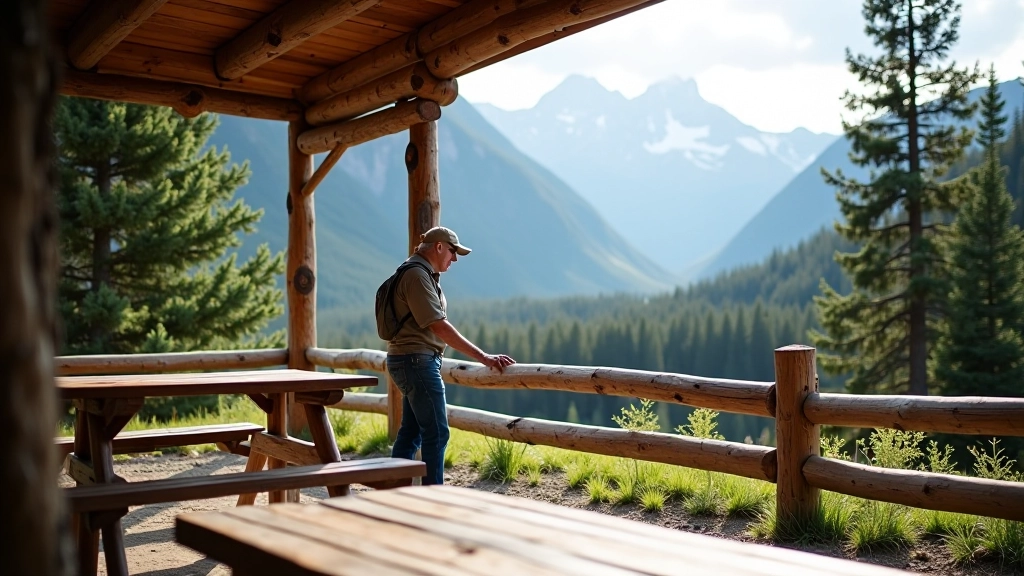
Finding good rest areas isn't just about convenience—it's about safety. Here's what to look for and where you'll actually find them on mountain routes.
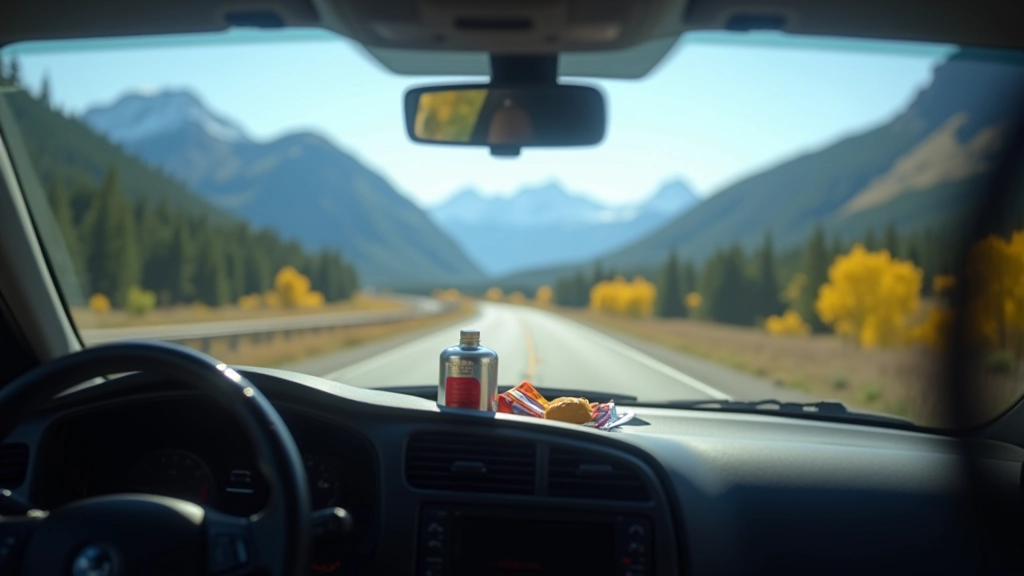
It's not about overcomplicating things. We'll tell you what actually matters when you're driving in the mountains and why each item earns its space.