
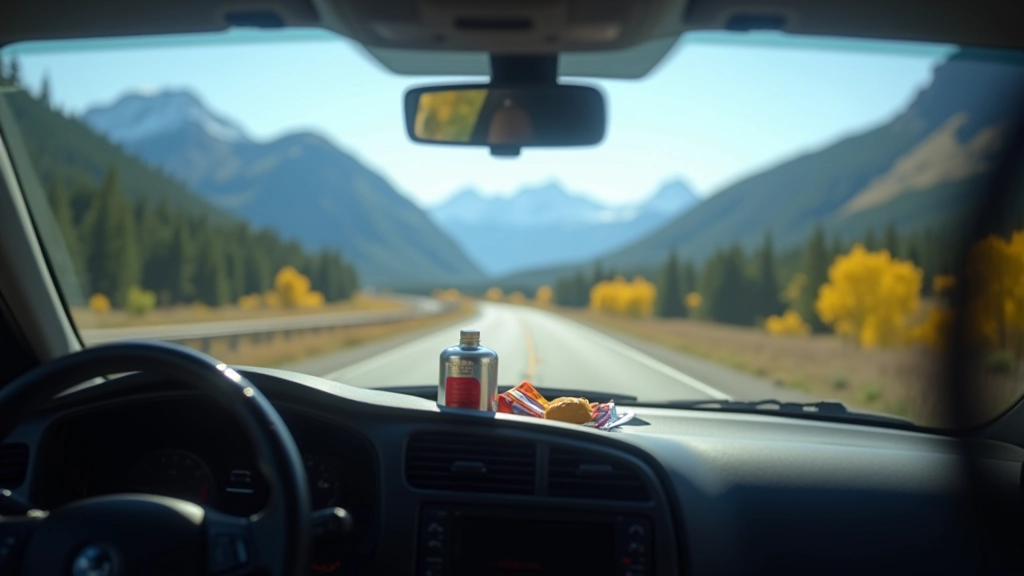
What to Pack and Prepare: A Practical Checklist for Mountain Roads
It's not about overcomplicating things. We'll tell you what actually matters when you're driving through the Rockies — and what you can probably leave at home.
Start Smart Before You Drive
Packing for mountain roads isn't the same as a casual highway trip. You're dealing with elevation changes, weather that shifts fast, and long stretches between services. But here's the thing — you don't need to pack your entire garage. We've tested what actually gets used and what just takes up space. This guide walks you through the essentials, the nice-to-haves, and the things you'll thank yourself for later.
Most drivers overprepare for distance and underprepare for conditions. Cold snaps at 2000 meters, sudden rain, mechanical hiccups — these happen. We'll make sure you're ready without turning your vehicle into a storage unit.
The Core Packing List
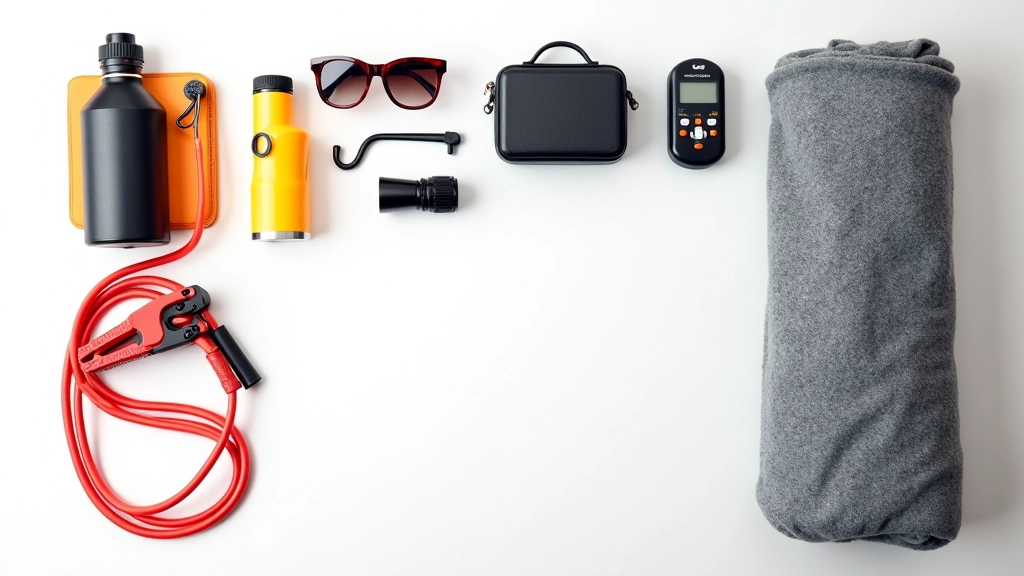
Split this into three categories: safety items you're legally required to carry, emergency supplies that've saved countless trips, and comfort items that make the drive actually enjoyable.
Safety & Legal Requirements
- Valid driver's license and vehicle registration
- Insurance documentation (physical copy or digital)
- Working headlights, taillights, and brake lights
- Functional windshield wipers and washer fluid
- Winter tires (September through May, mandatory in Alberta)
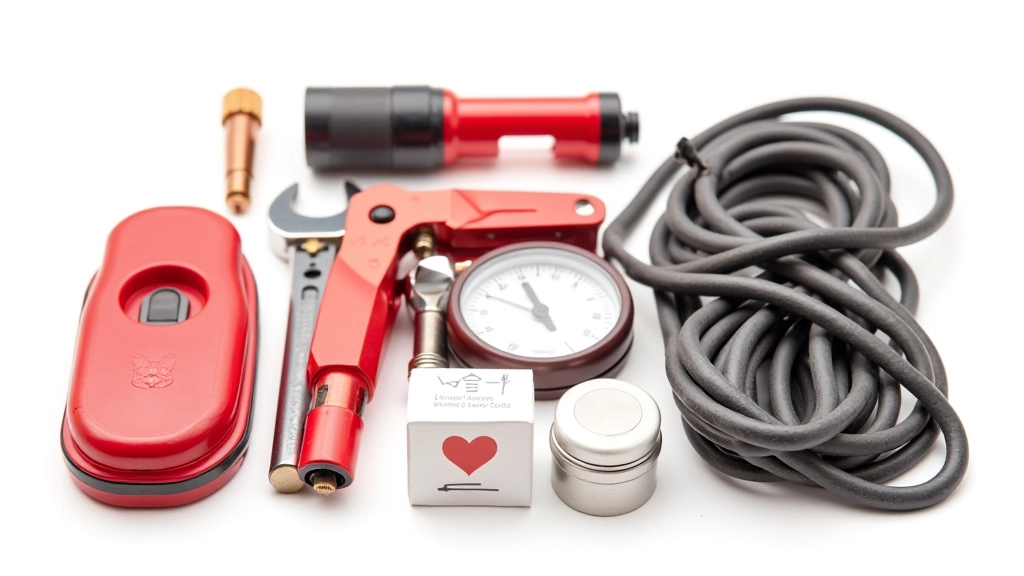
- Spare tire, jack, and lug wrench
Emergency Supplies That Actually Matter
- Jumper cables or portable jump starter
- Basic tool kit (wrench, pliers, screwdrivers, adjustable wrench)
- First aid kit with bandages, pain relief, and antihistamines
- Flashlight with extra batteries
- Blanket or emergency thermal wrap
- Drinking water (at least 4 liters)
- Non-perishable snacks
Before You Pack
This guide is informational and based on practical driving experience in Alberta's mountain regions. Laws and road conditions change seasonally. Check current provincial requirements, weather forecasts, and road reports before departing. If you're unfamiliar with your vehicle, have a mechanic inspect it before your trip. Every vehicle and driver has different needs — adapt this list to your specific situation.
Weather-Specific Gear You'll Actually Use
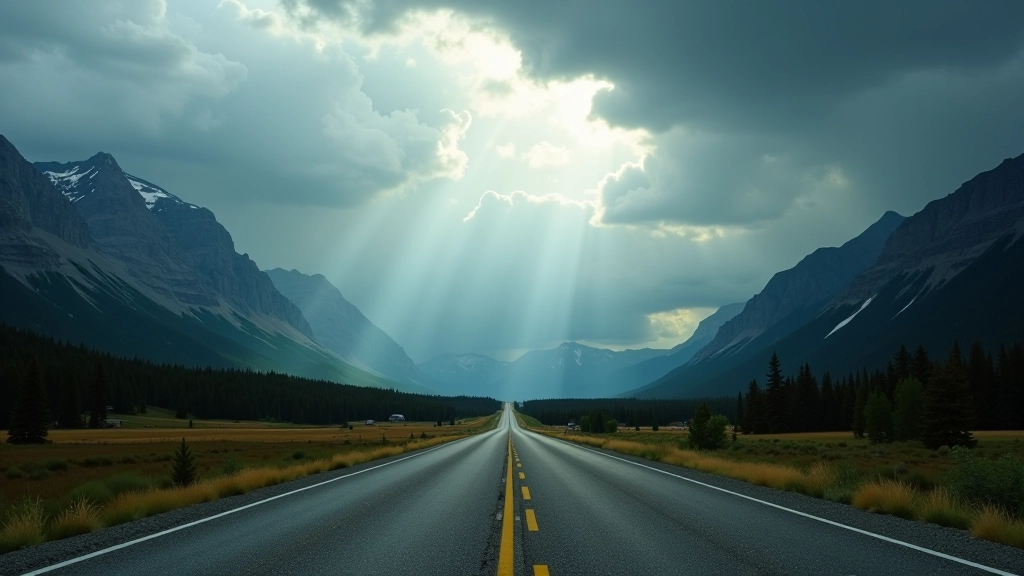
Mountain weather doesn't read the forecast. Temperatures drop about 2 degrees Celsius for every 300 meters of elevation. That means a sunny 22-degree day in Calgary becomes 14 degrees at the Columbia Icefields. And that's just temperature — you're also dealing with wind, sudden rain, and fast-changing conditions.
Cold Weather (Year-Round Above 1500m)
Pack a heavy jacket, gloves, and a hat — even in summer. Windchill at altitude is no joke. Thermal layers work better than a single heavy coat because you can adjust. Keep a wool blanket in the car, not just for emergencies but because you'll want it during rest stops.
Rain and Wet Roads
Extra windshield washer fluid is essential. Gravel and spray from other vehicles coat your windshield constantly. Bring an umbrella and rain jacket, and don't trust that weather app — clouds roll in fast. Wet roads at elevation lose traction differently than wet roads at sea level, so slow down more than you think you need to.
Sun Protection
UV exposure is stronger at altitude. Pack sunscreen (SPF 30 minimum), sunglasses, and a hat. You're at a higher sun angle, and the reflection off snow or light-colored rock intensifies the effect. This matters even on cloudy days.
Vehicle Prep Before You Leave
Packing supplies matters, but a well-maintained vehicle matters more. Spend an hour checking your car before you drive into the mountains. Don't rely on "it's probably fine" — mountain driving exposes every weak point.
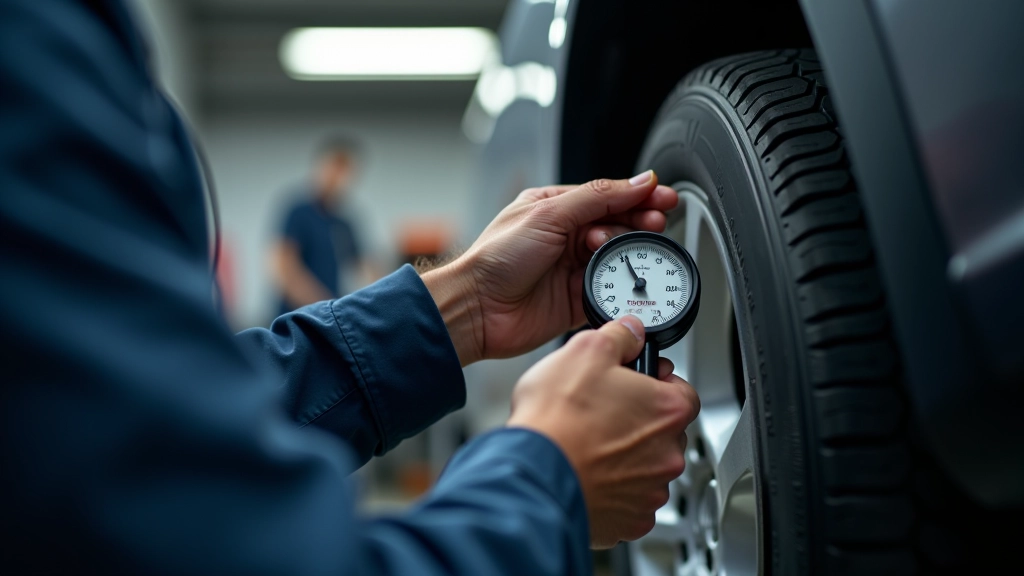
Tire condition: Check tread depth (minimum 3-4mm for mountains, not the legal 1.6mm). Look for cracks or bulges. Uneven wear signals alignment problems. Inflate to the manufacturer's recommended pressure, not the max sidewall pressure.
Fluid levels: Oil, coolant, brake fluid, and transmission fluid. Low coolant in a climbing engine spells overheating. Low brake fluid means weak brakes on downhill stretches. Check both when the engine is cold.
Brakes: Listen for squeaking or grinding. Feel the brake pedal — it should be firm, not squishy. Mountain roads demand reliable brakes. If you're unsure, have them inspected.
Battery: Cold weather and high elevation both stress batteries. If yours is over 3 years old, have it load-tested. A dead battery at 2000 meters is a serious problem.
Hoses and belts: Look for cracks, fraying, or leaks. These fail at the worst times. Serpentine belts typically last 50,000-100,000 kilometers.
Communication and Navigation
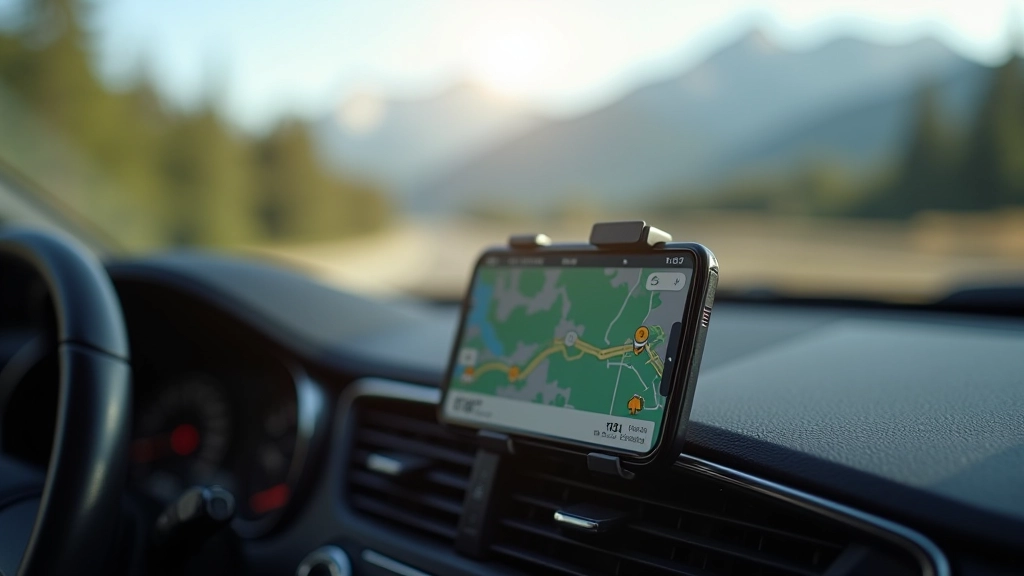
Cell coverage is spotty in the mountains. You'll lose signal in valleys and canyons. Don't rely on your phone as your only navigation or emergency device.
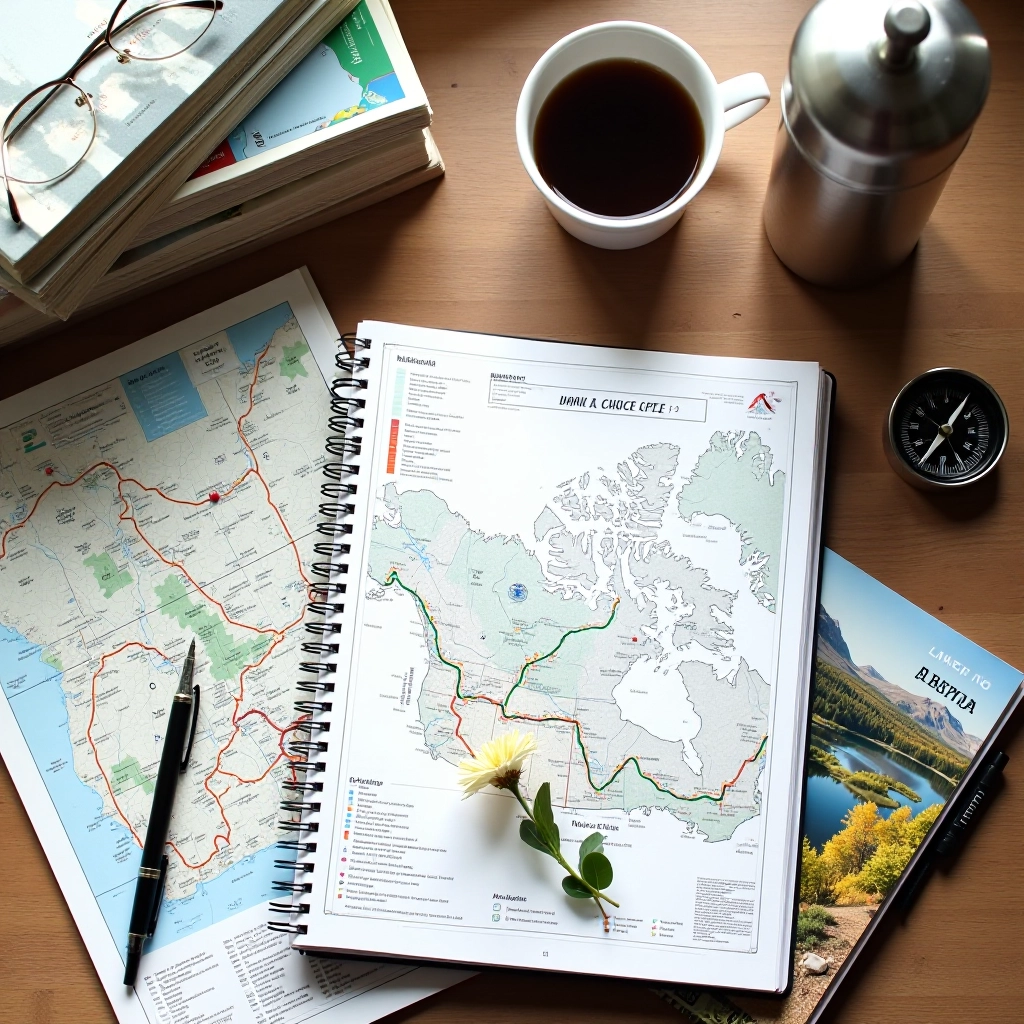
Download offline maps before you leave. Google Maps, Apple Maps, and Gaia GPS all allow offline downloading. Study your route beforehand so you're not searching for turns when you lose signal. Bring a physical map as backup — seriously. They never need batteries, never crash, and they're faster than fumbling with your phone at an intersection.
A car charger for your phone is essential. If your battery dies, you lose navigation, communication, and potentially your ability to call for help. Bring a power bank too. They're cheap and weigh almost nothing. Program important numbers into your phone before you leave, including local emergency services and your car insurance roadside assistance number.
Comfort Items That Make a Real Difference
A 5-hour drive feels different when you're comfortable. These items don't add much weight but they significantly improve your experience.
Snacks and Hydration
Bring water — at least 4 liters. Mountain air is dry and you dehydrate faster at elevation. Pack protein-based snacks: nuts, cheese, jerky, protein bars. Sugar spikes and crashes make long drives harder. Avoid salty snacks that make you thirstier. Coffee or tea in a good thermos keeps you alert on those early morning drives.
Seat Comfort
A lumbar support pillow or seat cushion transforms long drives. Your back will thank you. If you've got an old back injury or just get sore easily, this isn't luxury — it's injury prevention. A neck pillow for rest stops helps too, especially if you're planning to nap between drives.
Entertainment and Fatigue
Download podcasts, audiobooks, or playlists before you leave. Silence makes fatigue worse. A good podcast makes 2 hours feel like 45 minutes. Bring sunglasses — mountain sun is intense and squinting causes fatigue. A headlamp or small reading light is useful at rest stops if you want to read maps or check the vehicle at dusk.
Personal Items
Hand sanitizer, tissues, wet wipes, and a small trash bag. Sunscreen for rest stops. Any medications you take regularly, plus extras. If you wear glasses, bring a spare pair. Bring your phone charger and a backup portable charger. These small items prevent small problems from becoming big ones.
The Real Goal: Safe and Enjoyable Driving
Overpacking creates stress and wastes space. Underpacking creates risk and ruins your trip. The sweet spot is having what you actually need without the extra clutter.
Start with this checklist, then remove anything you've never needed on past trips. Add anything you've wished you had. Every driver and every vehicle is different. Test your setup on a shorter mountain drive before committing to a full day. You'll quickly figure out what matters.
Mountain roads reward preparation. You're not just packing a car — you're preparing for weather changes, elevation stress, and unpredictable situations. Get it right and you'll drive confidently through some of the most beautiful terrain in Canada. That's worth the hour of prep work.
Read More From This Series
The Icefields Parkway: A Senior-Friendly Route Through Alberta's Best Views
Why this 230-kilometer drive is perfect for older travelers. We cover the best pullouts, rest spots, and what to expect on every stretch.
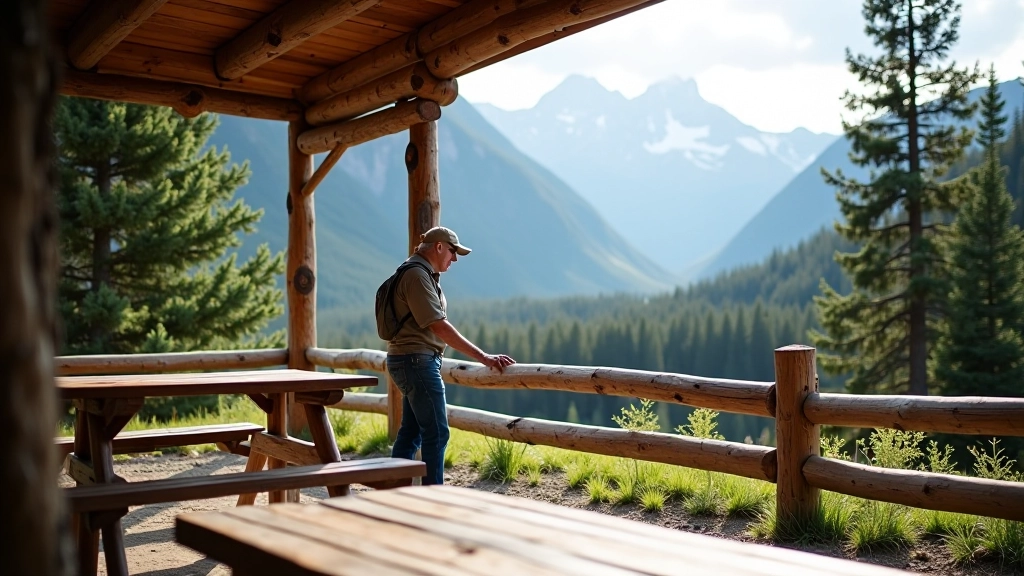
Rest Stops That Actually Work: Where to Stretch and Refuel Safely
Finding good rest areas isn't just about convenience — it's about safety. Here's where to stop and what facilities actually exist.
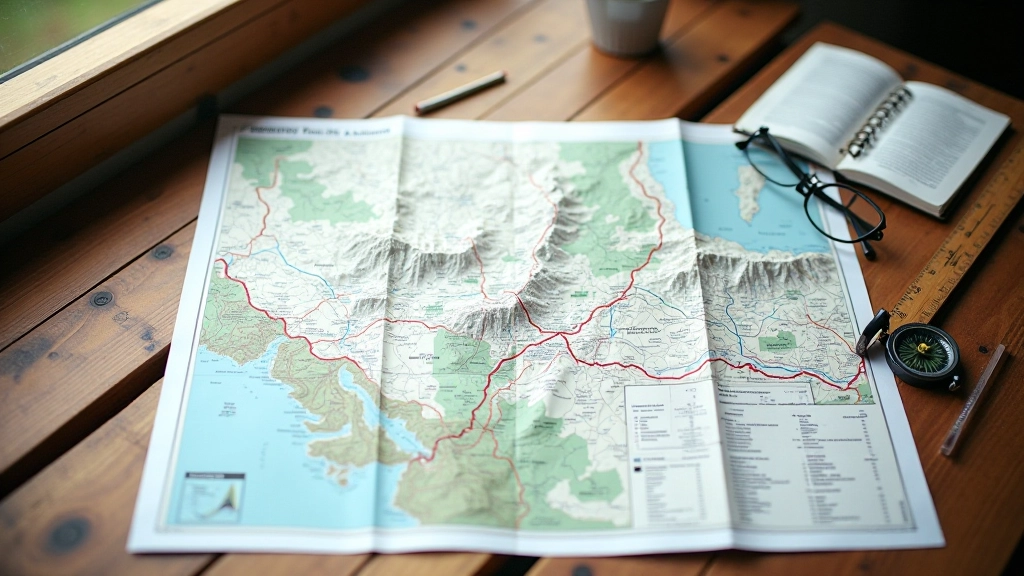
Planning Your Mountain Drive: Timing, Distance, and What to Expect
Don't just show up. We'll walk you through realistic driving times, how weather affects your route, and what conditions you might encounter.